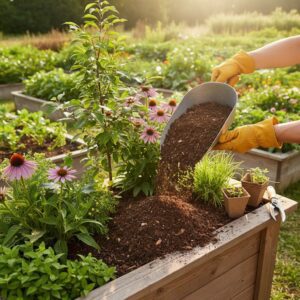
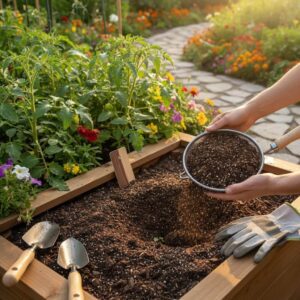
While it is true that naturally occurring topsoil erodes quickly, it is possible for a man to take components and make a substitute close to the original. Regarding the different...
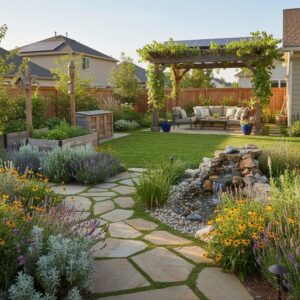
Considering residential landscaping you may have choices. You need to decide what you want from the landscaping. Most of the people would like their landscaping to be attractive, but they...
As summer draws to a close your yard becomes worn out from the summer heat and the dry air. It also needs to be replenished with nutrients that can prepare...
Mulch is an easy way to improve the look of your flower beds while providing many benefits to the plants within them. The list of benefits is long and for...
Landscaping refers to any activity that modifies the visible features of an area of land, including: Living elements, such as flora or fauna; or what is commonly called gardening, the...
New plantings require additional moisture for two years to become established. Evaluate current and future water availability prior to design. If you decide not to plant this season, you can...
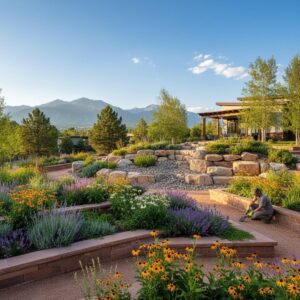
A rock garden, also known as a rockery or an alpine garden, is a small field or plot of ground designed to feature and emphasize a variety of rocks, stones,...
Emerald Ash Borer (EAB), detected in Boulder, CO, in September 2013, is a nonnative insect with no natural enemies to keep it in check. EAB attacks only ash trees, and...
Winter Desiccation of Evergreens Typical Colorado Front Range winters include periods of warm, windy, low-humidity days with no snow cover and extended dry periods. Needled and broadleaved evergreens, especially last...