
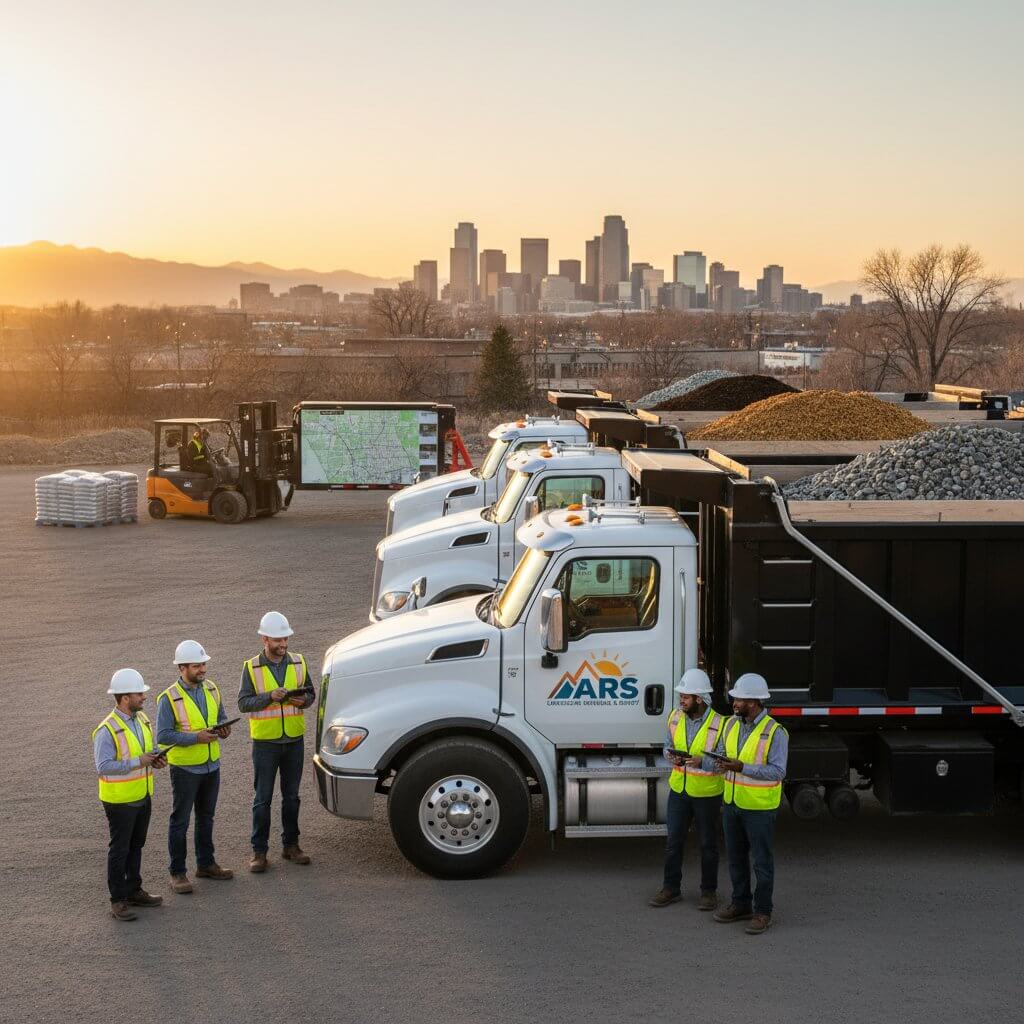
Getting the right landscaping material is only part of a successful project. You also need the correct quantity delivered to the right location at a time that works with your installation schedule.
ARS Landscape Materials & Supply provides landscape material delivery throughout the Denver metro area for homeowners, landscapers, contractors, and property managers. Bulk delivery can make projects involving soil, compost, fill dirt, and planting mixes easier to manage while reducing repeated trips to transport heavy materials.
Key Takeaways
- Bulk landscape material delivery can save time and reduce transportation challenges.
- Planning material quantity, delivery location, and site access before ordering helps prevent delays.
- Compost, fill dirt, and garden mix require different handling and project planning.
- Customers should confirm where materials can be safely unloaded before delivery.
- Coordinating material arrival with the project schedule can reduce double handling and keep landscaping work moving efficiently.
Why Landscape Material Delivery Matters
Bulk landscaping materials become heavy quickly. Even a relatively small garden, lawn improvement, or grading project may require several cubic yards of soil or compost.
Transporting that quantity with a personal vehicle can require multiple trips and significant loading and unloading time. Delivery allows larger quantities to arrive together so the project can move directly into installation.
ARS Landscape Materials & Supply serves landscaping projects throughout the Denver metro area with access to soil and other bulk materials.
Delivery is useful for residential projects, but it can be even more important for contractors and property managers. Larger projects often depend on materials arriving in the correct sequence so crews can continue working without unnecessary interruptions.
What Landscape Materials Can Be Delivered?
The material you order should match the purpose of the project.
Garden beds, grading projects, and soil improvement work may all require bulk material, but they do not necessarily require the same product.
|
Material |
Common Application |
Delivery Planning Priority |
|
Compost |
Improving existing garden soil |
Application depth and bed size |
|
Garden mix |
New beds and planting areas |
Final soil depth |
|
Fill dirt |
Grading and raising elevations |
Compaction and total volume |
|
Other bulk landscape materials |
Property improvements |
Site access and unloading space |
Understanding the difference between these products before ordering helps prevent excess material and reduces the chance of using planting soil where structural material would be more appropriate.
Compost Delivery for Soil Improvement
Compost is typically used to improve existing soil rather than replace it completely.
ARS Compost can be incorporated into garden beds or applied around established planting areas to add organic matter.
For a small garden, bagged material may be manageable. Larger vegetable gardens, landscape beds, community gardens, and commercial properties may require enough compost that bulk delivery becomes more practical.
Before ordering, determine the approximate square footage of the area and the depth you plan to apply.
For example, applying one inch of compost across a large planting area requires significantly less material than installing several inches of new planting soil. Calculating the required volume first can help prevent overordering.
Fill Dirt Delivery for Grading Projects
Fill dirt serves a very different purpose.
ARS Fill Dirt is primarily suited to projects involving grading, leveling, filling low areas, or changing elevation.
These projects can require substantial quantities of material because fill may need to cover large areas or build significant depth.
Compaction should also be considered when estimating quantities. Loose material may settle or decrease in volume after it is spread and compacted.
For grading work, plan where the fill will be unloaded before delivery. Placing a large pile far from the work area can add considerable labor if the material must later be moved by wheelbarrow or equipment.
Garden Mix Delivery for New Planting Areas
Creating a new garden bed or replacing poor soil may require more than a thin amendment layer.
ARS Garden Mix is intended for planting applications where a more complete growing medium is needed.
Raised gardens and larger planting areas can require several cubic yards of material even when they appear relatively small.
A bed measuring 20 feet long by 10 feet wide, for example, covers 200 square feet. Increasing soil depth by several inches across that entire area quickly increases the required volume.
Bulk delivery can keep the required material together and ready for installation instead of forcing the project to depend on many smaller loads.
Calculate How Much Material You Need Before Delivery
Accurate measurements are one of the most important parts of planning a bulk landscape material order.
For a rectangular project area, calculate volume using:
Length × Width × Depth = Volume
If your measurements are in feet, divide the result by 27 to convert cubic feet into cubic yards.
For example, an area measuring 18 feet long by 12 feet wide with a desired material depth of 6 inches would require approximately 4 cubic yards before considering compaction or project-specific adjustments.
|
Area |
Depth |
Approximate Volume |
|
100 sq. ft. |
3 inches |
0.9 cubic yards |
|
100 sq. ft. |
6 inches |
1.9 cubic yards |
|
500 sq. ft. |
2 inches |
3.1 cubic yards |
|
1,000 sq. ft. |
1 inch |
3.1 cubic yards |
Irregularly shaped yards and sloped areas are harder to calculate. Dividing the project into smaller sections can make estimates easier.
When changing elevations, remember that the required depth may vary across the area rather than remaining consistent.
Prepare the Delivery Area Before the Truck Arrives
Choosing an appropriate unloading location can make the entire project easier.
Ideally, bulk material should be placed close enough to the work area that it can be moved efficiently without blocking vehicles, entrances, or other active parts of the property.
Consider driveway width, overhead wires, tree branches, fences, gates, parked vehicles, drainage features, and other obstacles that could affect access.
The unloading surface also matters. A large pile of soil placed on an area that must remain usable can create additional cleanup or require the material to be moved sooner than expected.
Planning the drop location before scheduling delivery helps avoid making that decision after the material has already arrived.
Coordinate Delivery with Your Project Schedule
Material does not always need to arrive as early as possible.
For many landscaping projects, the best delivery time is shortly before the material will be installed. This reduces the amount of time piles remain on the property and can help prevent materials from interfering with other work.
Contractors may need to coordinate soil delivery with excavation, grading, irrigation, hardscape installation, or planting.
Homeowners can use the same principle.
Finish demolition, removal, or basic site preparation before having several cubic yards of new soil delivered whenever possible. Otherwise, the material pile may make access to the work area more difficult.
Common Landscape Delivery Mistakes to Avoid
Many delivery problems begin before the truck arrives.
One common mistake is ordering material based on a rough visual estimate rather than measurements. A pile that appears small at the supplier can represent a substantial amount of material once it reaches the property.
Another is selecting the wrong product.
Using nutrient-rich garden soil to fill a deep grading area can increase costs unnecessarily, while using fill dirt directly as the primary growing medium for a garden may produce poor planting conditions.
Customers should also avoid selecting an unloading location without considering how the material will move from the pile to its final destination.
A slightly longer delivery planning process can save considerable labor once installation starts.
Bulk Delivery for Homeowners and Landscape Professionals
The benefits of delivery vary depending on the size and type of project.
Homeowners may use delivery to simplify garden renovations, lawn preparation, raised beds, or grading work.
Landscape professionals often require larger quantities and may need multiple materials for different phases of the same project.
Property managers can also use bulk delivery when improving common areas, replacing planting soil, or maintaining larger landscaped properties.
The main advantage is the same in each case: the required material can arrive in useful quantities without relying on repeated small-load transportation.
Frequently Asked Questions
How can I schedule landscape material delivery with ARS?
Customers can contact ARS Landscape Materials & Supply to discuss the material needed, estimated quantity, delivery location, and scheduling options. Having your project measurements available before contacting the supplier can make the ordering process easier.
What areas does ARS serve?
ARS Landscape Materials & Supply provides delivery throughout the Denver metropolitan area. Availability for a specific property can depend on its location and delivery requirements, so customers should confirm service when placing an order.
How should I prepare for a bulk soil delivery?
Choose a clear unloading location before the scheduled delivery. Check access for vehicles and consider gates, overhead wires, trees, parked cars, slopes, and the distance from the delivery point to the work area.
Also make sure there is enough space for the quantity of material being delivered.
Is bulk delivery better than buying bagged soil?
It depends on project size. Bagged material can be convenient for small garden repairs, while bulk delivery is usually more practical when a project requires several cubic yards of compost, garden mix, fill dirt, or other landscape material.
Plan Your Landscape Material Delivery Before the Project Begins
Reliable material planning starts with three questions: what product does the project require, how much do you need, and where should it be delivered?
Answering those questions before ordering can reduce wasted material, unnecessary handling, and delays once installation begins.
ARS Landscape Materials & Supply provides bulk landscaping materials and delivery options for projects throughout the Denver metro area. Whether you are improving garden soil, building new planting areas, or preparing a property for grading, coordinating material selection and delivery can keep the project more efficient from the start.
Contact Us to discuss your material requirements and delivery needs.